
In Kenya’s informal settlements, talent is everywhere but opportunity is not.
For many young women, especially teenage mothers, survival often means taking whatever work is available, regardless of pay or long-term prospects.
CFK Africa believes it doesn’t have to be that way.
The international nonprofit has received a grant from the Weyerhaeuser Family Foundation to launch Women at Work, a hands-on training program that will prepare women in informal settlements for careers in skilled trades such as plumbing, electrical installation, and auto mechanics.
The program, scheduled to begin in early 2026, is designed to confront one of the quiet barriers facing women in low-income communities: access. While skilled trades offer better pay and more consistent work, they are still widely seen as “men’s jobs,” leaving many women shut out before they ever begin.
Women at Work aims to change that narrative by placing participants alongside Master Craftswomen experienced female tradespeople who will train, mentor, and guide them through real-world work environments.
“The best way to learn a job is by doing it, shoulder to shoulder with someone who knows the trade,” said CFK Africa Chief Executive Officer Jeffrey Okoro. “When young women see what other women have achieved, it unlocks belief as much as skill.”
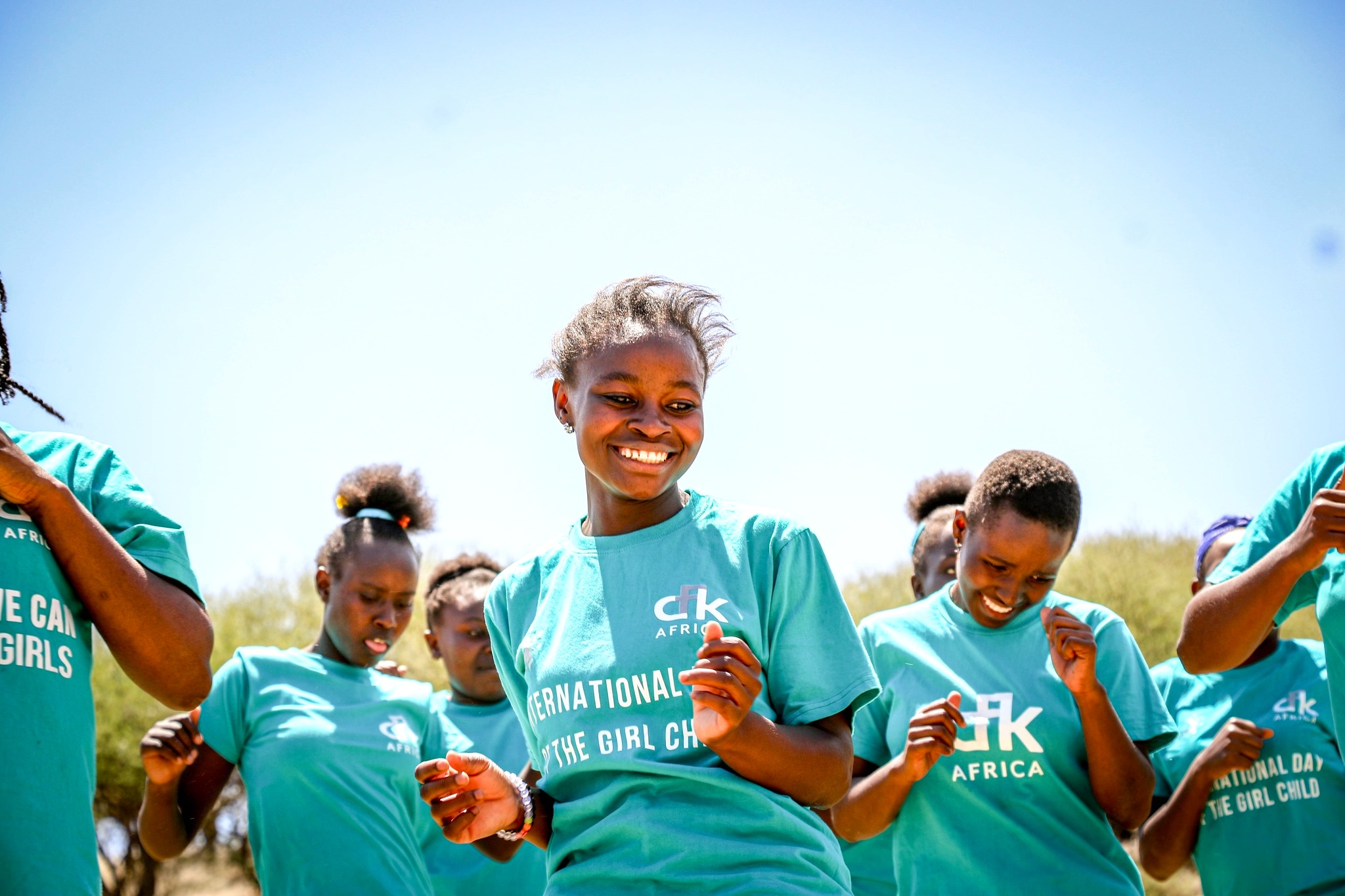
The pilot phase will involve 80 young women, including teenage mothers, across five informal settlements in Kenya. In addition to technical training, participants will receive support to help them secure employment or apprenticeships, laying the foundation for long-term financial independence.
The initiative builds on the momentum of CFK Africa’s TechCraft program, launched last year to help young people in communities such as Kibera gain practical, income-generating skills.
Support for Women at Work comes through the Weyerhaeuser Family Foundation’s International Initiative, which focuses on expanding opportunity and well-being for women and girls in developing countries.
For Okoro, the program’s impact goes beyond employment statistics.
“This is about dignity and choice,” he said. “When women have skills that are respected and in demand, they gain control over their futures.”
For the young women preparing to join Women at Work, the program represents more than training—it is a chance to step into roles they were never expected to occupy, and to build lives shaped not by limitation, but by possibility.
More information about the program is available at cfkafrica.org/youth-leadership-and-education